Route Napoléon road trip: driving through the French Alps by campervan
 Julia
JuliaUpdated at: 09/30/2026
Reading time: 9 minutes
The Route Napoléon is one of France's classic road trips, winding from the Mediterranean through Provence and into the French Alps. But where does its famous name come from? In March 1815, Napoleon Bonaparte returned to France after his exile on Elba and travelled from Golfe-Juan towards Grenoble with his troops. Today, you can follow much of his journey along one of southern France's most scenic roads – fortunately with a campervan rather than on foot. Our Route Napoléon road trip turns the historic journey around. Starting in Grenoble, we travel south through mountain passes, lakes and Provençal towns before finishing beside the Mediterranean. Here's the complete route, plus our most important Route Napoléon tips for travelling by campervan.
Route Napoléon: the road trip at a glance
| Route | Grenoble → La Mure → Lac du Sautet → Gap → Sisteron → Digne-les-Bains → Castellane → Saint-Vallier-de-Thiey → Grasse → Cannes and Golfe-Juan |
| Distance with stops | Approx. 350 km |
| Driving time | Approx. 6 hours |
| Recommended duration | 8–10 days |
| Stops | 9 |
The Route Napoléon isn't just historically significant. In only a few hundred kilometres, the landscape changes from Alpine mountains and deep valleys to the lavender fields and warmer climate of Provence before finally reaching the Côte d'Azur.
Spring to autumn is the best time for driving the Route Napoléon in France, particularly if you want to combine the road trip with hiking and sightseeing along the way.
Although you could cover the distance much more quickly, there's little point in rushing. Eight to ten days gives you time to explore the towns, lakes and mountains rather than spending your entire trip behind the wheel.
Where does Route Napoléon start and finish?
Historically, the answer is straightforward: Route Napoléon starts in Golfe-Juan on the Côte d'Azur and finishes in Grenoble.
Napoleon landed at Golfe-Juan on 1 March 1815 after escaping from exile on Elba. From there, he and his troops travelled inland via Grasse, Castellane, Digne-les-Bains, Sisteron and Gap before reaching Grenoble. The journey marked the beginning of Napoleon's brief return to power known as the Hundred Days.
The tourist road following his journey was officially named Route Napoléon in 1932.
We're travelling in the opposite direction, from Grenoble towards Golfe-Juan. Why? Because finishing your road trip beside the Mediterranean is a pretty good reward after crossing the French Alps.
Driving the Route Napoléon in France by campervan
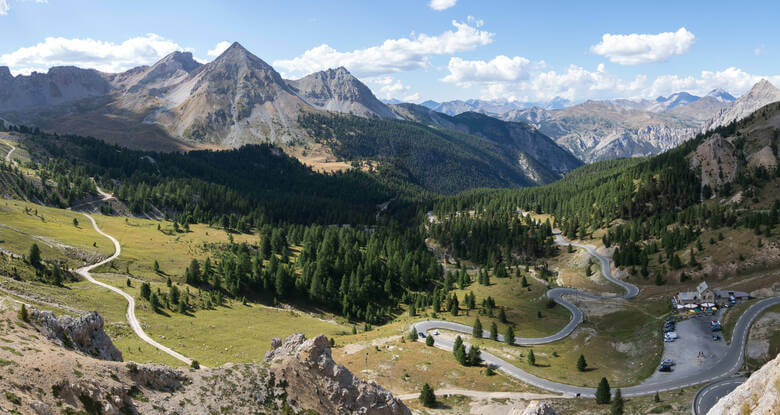
The mountain views are hard to ignore, but don't spend so much time looking at them that you forget about the road.
Parts of the Route Napoléon feature steep climbs and descents, hairpin bends and narrow sections. For experienced drivers in a normal campervan, that's part of the fun. In a large motorhome, however, some sections require more preparation.
One of the most important Route Napoléon tips concerns the Rampe de Laffrey south of Grenoble. Restrictions apply to certain larger vehicles on the descent towards Vizille. If you're travelling in a heavy or particularly tall motorhome, check the current restrictions and alternative route before setting off.
France's official tourism information recommends an alternative route for vehicles over 3.5 tonnes and 2.60 metres high on this section. Drivers of particularly large motorhomes may prefer to avoid some of the more demanding mountain sections altogether.
Before starting your trip, check your vehicle's dimensions and weight, make sure you're comfortable driving on mountain roads and check current road conditions.
Camping along the Route Napoléon
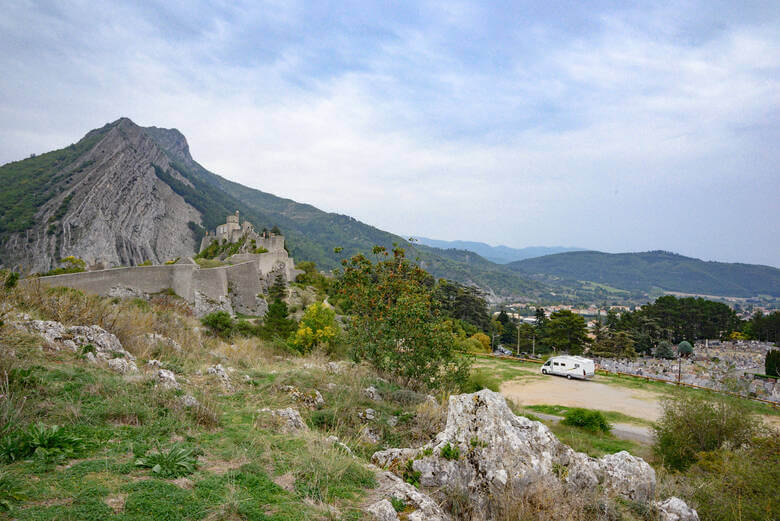
One of the advantages of a Route Napoléon campervan trip is that you can choose how long to spend at each stop.
You'll find plenty of campsites and motorhome facilities along the route, particularly around the larger towns and popular natural areas. France also has an extensive network of aires de camping-car, which can be useful for simple overnight stops.
Don't assume, however, that you can simply park anywhere in the mountains and camp for the night. Restrictions vary between municipalities and protected areas, so always check local signs and rules.
We've included some of the campsites mentioned in the original Route Napoléon itinerary below. Always check current opening dates, availability and vehicle restrictions before travelling.
Route Napoléon road trip: all 9 stages
| Stage | Distance | Driving time | Camping |
| 1. Grenoble → La Mure | Approx. 40 km | Approx. 45 minutes | Camping La Virette, north of Grenoble |
| 2. La Mure → Lac du Sautet | Approx. 30 km | Approx. 30 minutes | Camping Belvédère de l'Obiou |
| 3. Lac du Sautet → Gap | Approx. 40 km | Approx. 50 minutes | Options around Lac du Sautet and Gap |
| 4. Gap → Sisteron | Approx. 50 km | Approx. 40 minutes | Camping Napoléon near Gap |
| 5. Sisteron → Digne-les-Bains | Approx. 40 km | Approx. 40 minutes | Camping Les Prés Hauts near Sisteron |
| 6. Digne-les-Bains → Castellane | Approx. 55 km | Approx. 1 hour | Les Eaux Chaudes near Digne-les-Bains |
| 7. Castellane → Saint-Vallier-de-Thiey | Approx. 50 km | Approx. 50 minutes | Camping Terra Verdon near Castellane |
| 8. Saint-Vallier-de-Thiey → Grasse | Approx. 10 km | Approx. 20 minutes | – |
| 9. Grasse → Cannes and Golfe-Juan | Approx. 20–25 km | Approx. 30–40 minutes | – |
Stage 1: Grenoble to La Mure
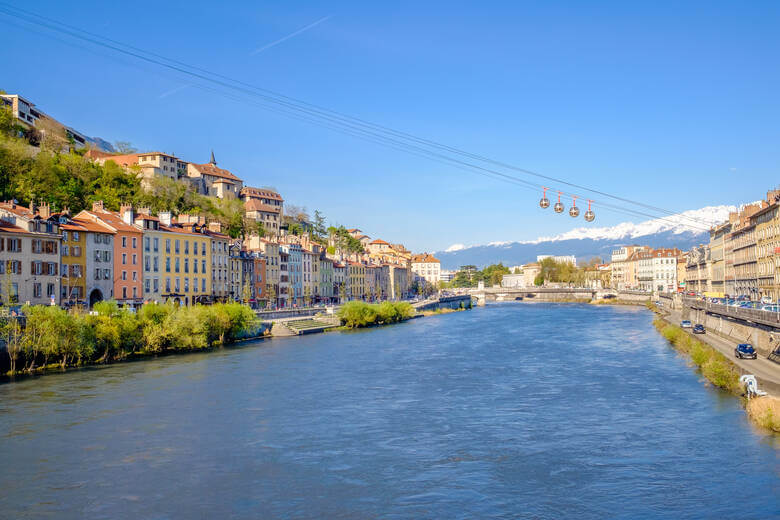
Your Route Napoléon road trip begins in Grenoble, often described as the gateway to the French Alps.
Before leaving, take the cable car up to the Bastille, the fortress overlooking the city. From the top, you'll get fantastic views across Grenoble and the surrounding mountains – a fitting introduction to the landscapes ahead.
The first stage towards La Mure immediately takes you into the mountains. If you have time, make a detour towards the Belledonne mountain range for a walk before continuing south.
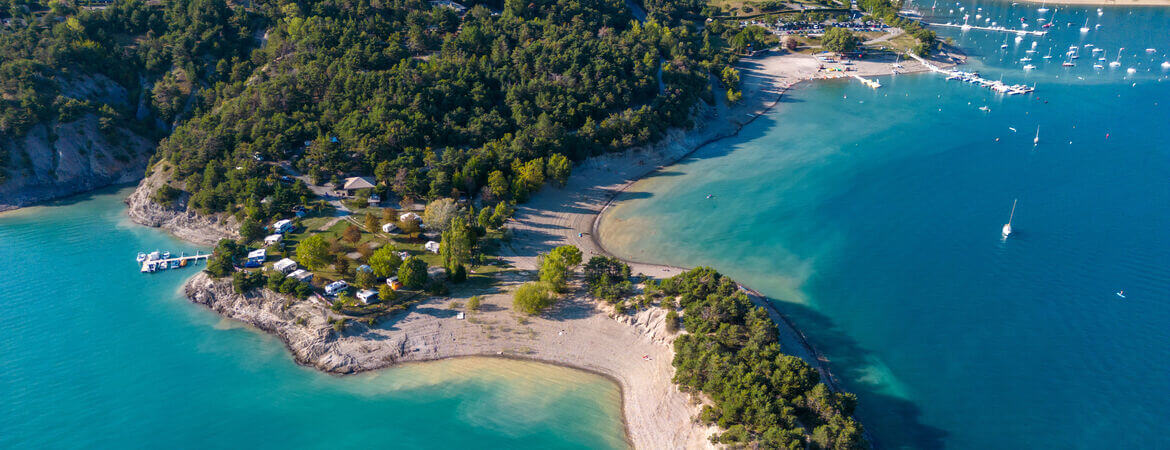
La Mure itself is a small town, but around 15 kilometres away you'll find Lac de Monteynard-Avignonet. Its suspension bridges above the lake make this a worthwhile detour, especially if you'd like to stretch your legs after the drive.
Stage 2: La Mure to Lac du Sautet
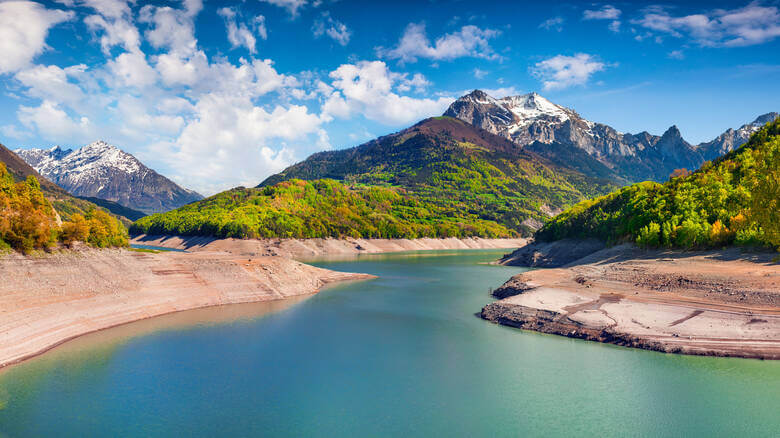
After leaving La Mure behind, continue through the Alpine landscape towards Lac du Sautet.
This reservoir sits between dramatic mountain scenery and makes an excellent place to stop for a few hours. Bring a picnic, relax beside the water or, depending on conditions and the season, get out onto the lake in a canoe or kayak.
It's a short driving day, which is exactly what makes this route so enjoyable. There's no need to race towards the next destination.
Stage 3: Lac du Sautet to Gap

Next, the Route Napoléon takes you towards Gap, the largest town on this section of the journey.
After several days surrounded by lakes and mountains, its old town is a good place for a change of pace. Wander through the streets and look out for the town hall and the Cathédrale Notre-Dame-et-Saint-Arnoux.
Gap is also a useful place to stock up on supplies before continuing further south.
Stage 4: Gap to Sisteron
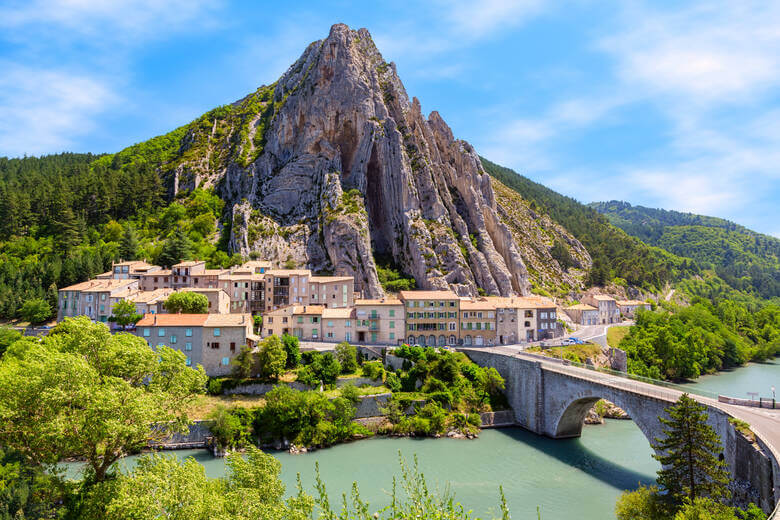
The scenery between Gap and Sisteron is one of the highlights of driving the Route Napoléon in France.
Mountain valleys gradually begin to feel more Provençal as you travel south, until Sisteron appears beneath its enormous citadel.
Known as the "Gateway to Provence", Sisteron is one of the prettiest stops on the route. Its stone buildings sit beside the River Durance, while the citadel rises dramatically above the town.
Give yourself enough time to explore rather than treating Sisteron as somewhere to simply drive through.
Stage 5: Sisteron to Digne-les-Bains
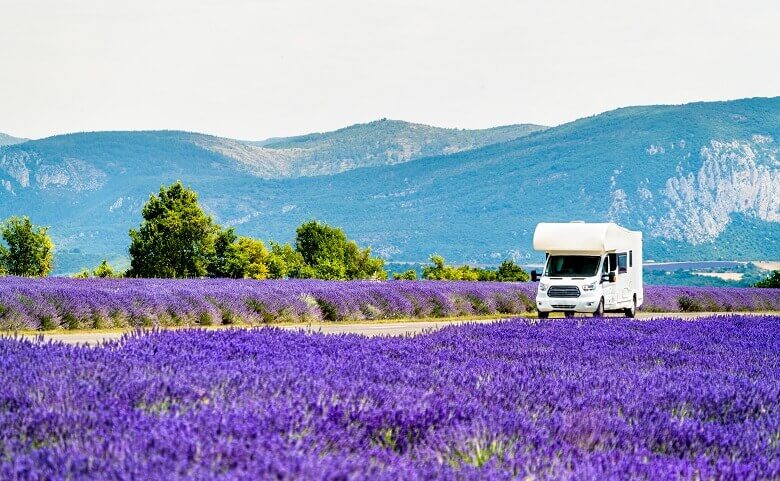
From Sisteron, continue south towards Digne-les-Bains, the capital of the Alpes-de-Haute-Provence department.
This is where the landscape really starts to feel like Provence. If you're travelling during the lavender season, purple fields can transform parts of the countryside – although flowering periods vary according to location and weather.
Once you arrive in Digne-les-Bains, you can slow things down at the thermal baths or explore the town.
Lavender has a particularly strong connection with Digne. If you're travelling in August, check whether your visit coincides with one of the town's lavender events.
Stage 6: Digne-les-Bains to Castellane
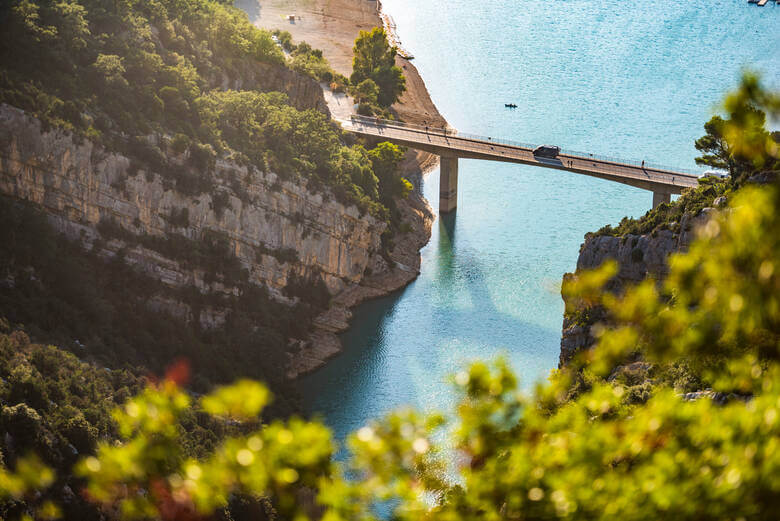
At around 55 kilometres, this is the longest individual stage of our route – although an hour behind the wheel hardly counts as a demanding driving day.
Castellane sits at the gateway to the Verdon area. The town itself is dominated by the huge limestone rock known as the Roc, topped by the Notre-Dame du Roc chapel.
It's worth spending more than one night here if you want to explore the surrounding landscape.
The Gorges du Verdon is one of France's most impressive natural attractions and offers hiking, viewpoints and water activities. Adding a day here is an easy way to turn the Route Napoléon road trip into a longer trip through Provence.
Stage 7: Castellane to Saint-Vallier-de-Thiey
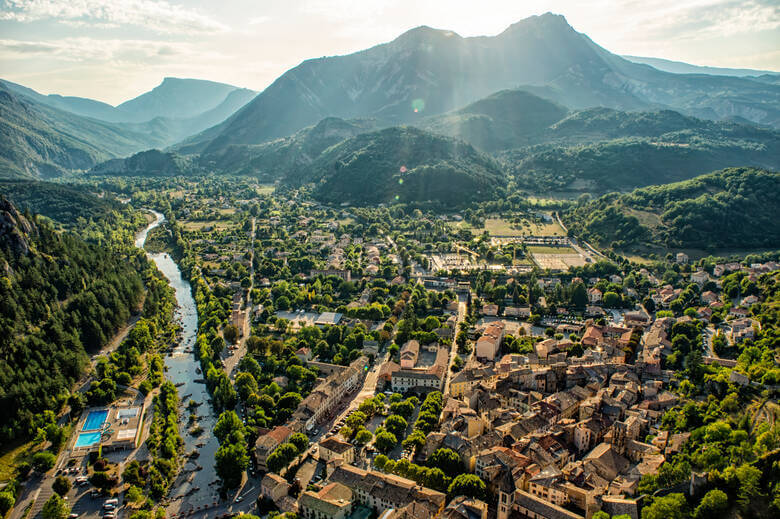
From Castellane, continue towards Saint-Vallier-de-Thiey.
The landscape slowly changes again as you leave the higher Alpine scenery behind and travel towards the Côte d'Azur.
Saint-Vallier-de-Thiey is a much quieter stop than the towns waiting further south, which makes it a good place to take a break before the final stages of your trip.
If you have time, explore the surrounding caves and natural landscapes. The Pont Naturel de Ponadieu, a natural tufa bridge created by the Siagne river, is one of the area's most unusual sights.
Stage 8: Saint-Vallier-de-Thiey to Grasse
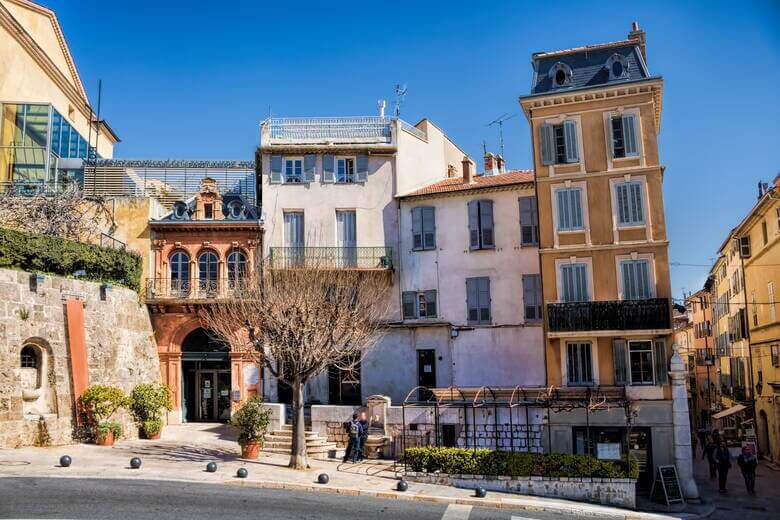
This may be the shortest drive of the entire Route Napoléon campervan trip, but Grasse definitely deserves its own stop.
The town is famous worldwide for perfume production. Visit one of its historic perfumeries to learn how fragrances are created, then wander through the old town's narrow streets and colourful squares.
After days of mountain scenery, arriving here feels like a clear sign that you've almost reached the Mediterranean.
Stage 9: Grasse to Cannes and Golfe-Juan
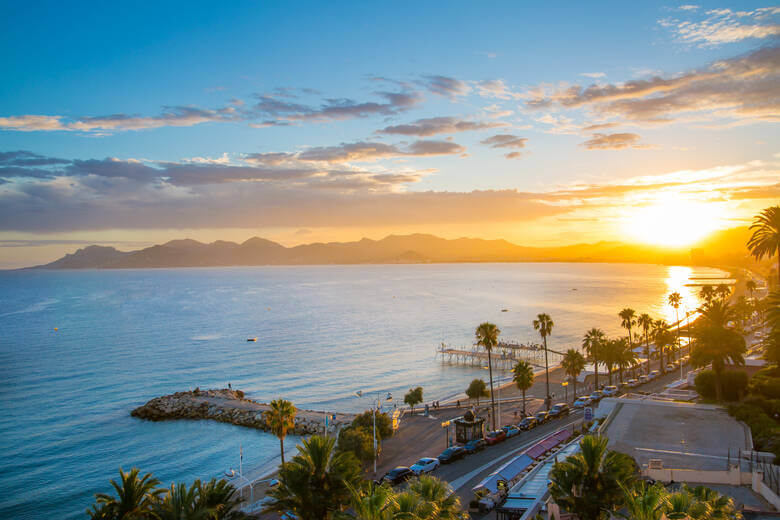
The final stage takes you down from Grasse towards the Mediterranean.
Cannes makes an obvious stop along the way. It's best known internationally for its film festival, but you don't need to be here during the festival to enjoy the waterfront, harbour and old town.
But don't end your historical Route Napoléon road trip quite yet.
Continue a little further to Golfe-Juan, because this is where Napoleon actually landed on 1 March 1815 and began the journey you've just travelled in reverse.
Standing beside the Mediterranean also gives you a rather more relaxing ending than Napoleon had. Instead of marching onwards to Paris, you can spend the rest of the day by the sea.
Our Route Napoléon tips before you set off
The Route Napoléon is only around 330 kilometres long, but it's much more enjoyable when you don't treat it as a road you simply need to complete.
Give yourself time for Grenoble, Sisteron and Grasse, add a hiking day in the Alps or around the Verdon, and check the dimensions of your motorhome before tackling the more demanding mountain sections.
If you're travelling from the UK, you can either bring your own campervan across the Channel and make France part of a longer European road trip, or travel to France first and hire a campervan locally. For a shorter holiday, hiring in France can save a considerable amount of driving.
And finally, remember that the historical direction is Golfe-Juan to Grenoble. Our route deliberately reverses it. For a campervan holiday, we think there's a very good reason for that: after mountain roads, Alpine lakes and nearly 350 kilometres of French scenery, finishing beside the Mediterranean feels exactly right.

Do you have any feedback on the article, questions about booking a motorhome, or are you looking for tips? Then feel free to write to us here. We will get back to you as soon as possible.