Planning a trip to Japan: 11 things I wish I'd known before I went
 Julia
JuliaUpdated at: 09/30/2026
Reading time: 8 minutes
Japan is one of those destinations where a little preparation goes a long way. Before my trip, I spent weeks researching routes, transport and places to stay – and still discovered plenty of things I wish I'd known beforehand. If you're planning a trip to Japan, these 11 tips will make things easier. From speeding up your arrival at the airport and deciding whether the JR Pass is worth it to exploring Japan's national parks by campervan, here's what I'd do differently next time.
1. Speed up your arrival with Visit Japan Web
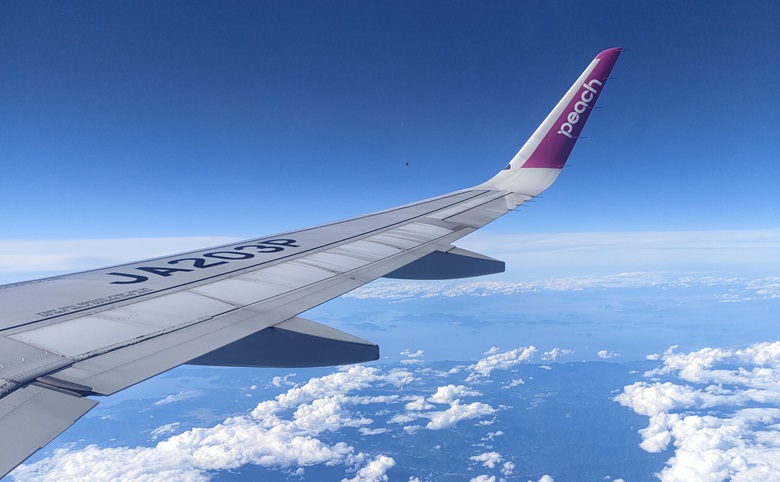
Let's start at the beginning: arriving in Japan.
Before travelling, register your trip using Visit Japan Web. The official Japanese government service allows international visitors to enter information for immigration and customs procedures online before arrival. You'll then receive a 2D code that you can use at the airport.
It isn't compulsory to complete your customs declaration electronically – paper declarations are still available – but registering in advance can make the arrival process smoother.
For UK travellers, there's another piece of good news. If you're visiting Japan as a tourist with a full British citizen passport, you can currently stay for up to 90 days without applying for a visa before travelling. Your passport needs to be valid for the full duration of your stay.
Still, entry requirements can change, so check the latest UK government travel advice before you go.
2. Get a SIM or eSIM before your Japan trip
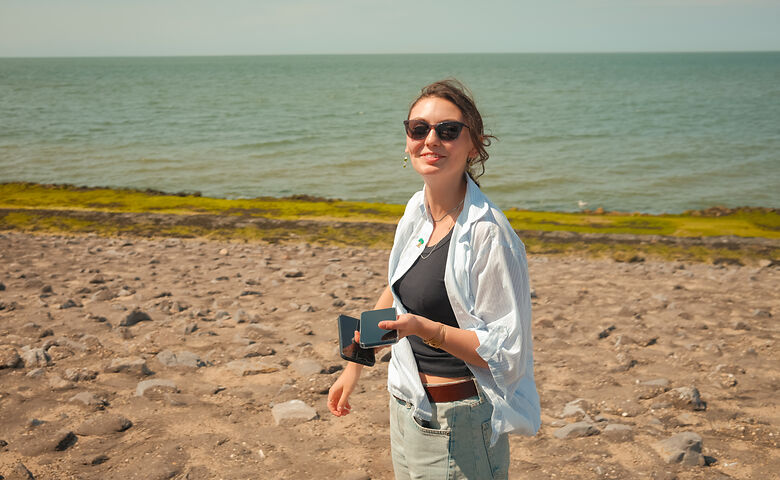
Google Maps will become your best friend in Japan. Whether you're finding the correct train platform in Tokyo, translating a menu or looking for a campsite, having reliable internet access makes travelling considerably easier.
My advice? Sort out your mobile data before you leave the UK.
You can order a physical Japanese SIM card in advance or, if your phone supports it, buy an eSIM and activate it when you arrive. Pocket Wi-Fi is another popular option, particularly if you're travelling as a couple or group and want to connect several devices.
Whatever you choose, don't rely entirely on public Wi-Fi.
And download offline maps for the regions you're visiting. They're particularly useful if you're heading to national parks or more rural areas.
3. Always carry some cash in Japan
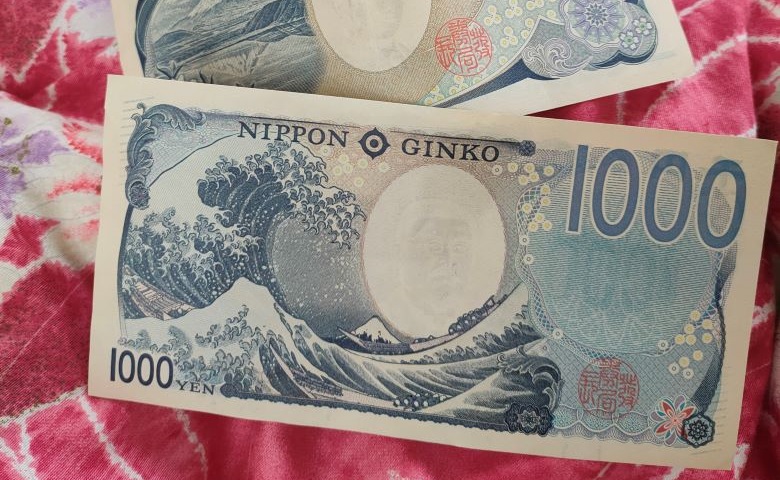
Japan has become increasingly card-friendly, especially in larger cities, but cash is still useful.
Smaller restaurants, temples, ticket machines, campsites and businesses in more rural areas may not always accept your preferred payment method. So don't travel without some Japanese yen in your wallet.
Fortunately, withdrawing cash is relatively easy. ATMs at convenience stores such as 7-Eleven and Japan Post Bank ATMs are widely used by international travellers, although fees and card compatibility depend on your bank.
Before travelling, check what your UK bank charges for overseas withdrawals and card payments. A travel-friendly debit or credit card can save you quite a bit over a three-week trip.
4. Work out whether the JR Pass is actually worth it
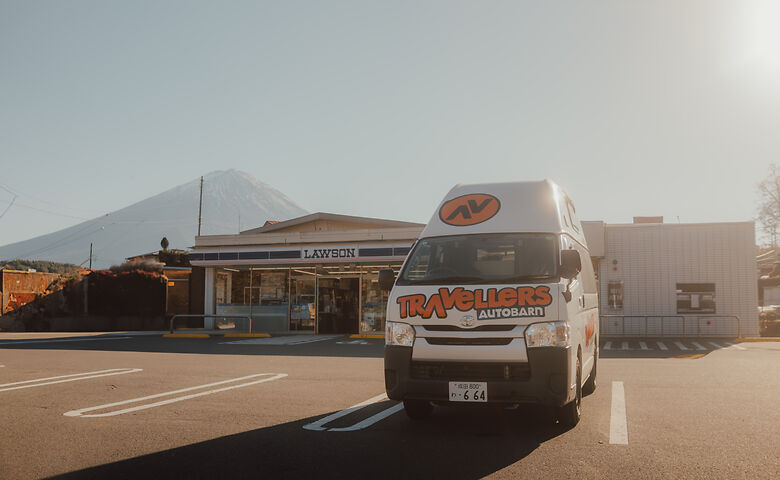
For years, buying a Japan Rail Pass was almost an automatic recommendation for international visitors. That's no longer the case.
Following significant price increases, the JR Pass isn't necessarily the cheapest option for every itinerary. Renting a camper can be a lot cheaper (see section 5). Whether it's worth buying depends entirely on the journeys you're planning to make.
Before your trip, write down your main train journeys and compare the cost of individual tickets with the current JR Pass price.
For our three-week trip, we travelled between major cities including Tokyo, Kyoto and Osaka, with day trips to places such as Nara, Himeji and Hiroshima. Depending on your exact itinerary, individual tickets or regional rail passes may offer better value.
Don't buy a nationwide JR Pass simply because you've heard that everyone travelling around Japan needs one. Do the maths first.
5. Hire a campervan for Japan's national parks
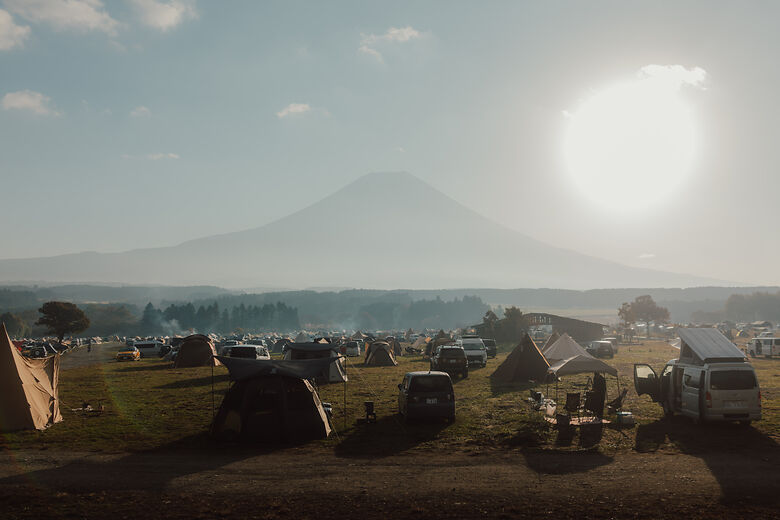
Japan's rail network is brilliant – but trains aren't always the best way to see the entire country.
Tokyo, Kyoto and Osaka are easy to explore using public transport. Once you head into national parks, mountain regions and more rural parts of Japan, having your own vehicle gives you much more freedom.
That's why I'd split the trip.
Use trains for the major cities, then hire a campervan when you want to explore beyond them. You can stop at viewpoints, reach quieter hiking areas and spend the night much closer to nature.
If you're travelling from the UK, there's one important thing to organise before you leave: an International Driving Permit (IDP) issued under the 1949 Geneva Convention. You'll need the correct documentation to drive in Japan, so don't leave this until you arrive.
Japan drives on the left, just like the UK, which makes the transition slightly easier for British travellers.
And if you're hiring a campervan, check the rental conditions carefully. Campsites, motorhome parks and authorised overnight locations are a much better option than simply assuming you can sleep wherever you park.
6. Forget the huge Japan packing list – leave space in your suitcase
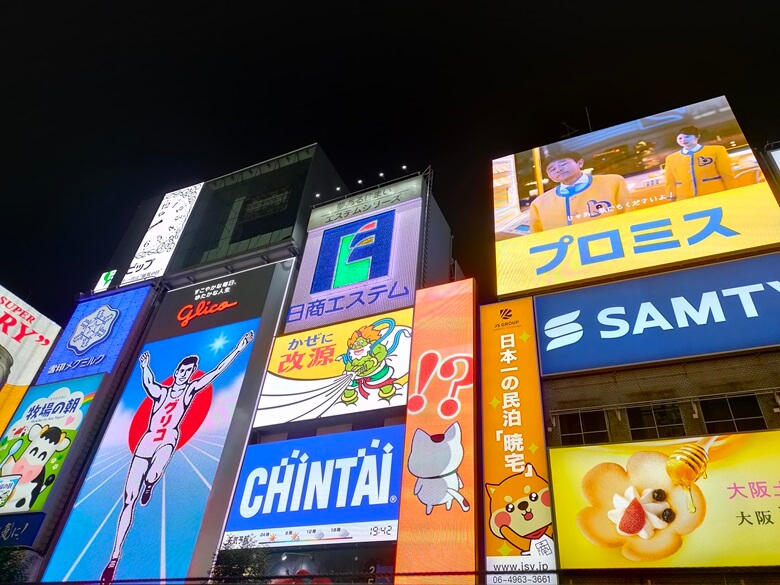
Of course you'll need the essentials. But if there's one packing tip I'd give anyone planning for a trip to Japan, it's this: don't fill your suitcase before you leave.
Japan is dangerously good at tempting you to buy things.
You'll find ceramics, stationery, clothes, skincare, snacks, kitchenware and souvenirs everywhere – and somehow you'll convince yourself that you absolutely need all of them.
Shopping in cities such as Tokyo and Osaka is an experience in itself. Vintage and second-hand shops are particularly worth browsing if you enjoy finding something a little different.
So instead of asking yourself what else you can squeeze into your suitcase before flying out, ask how much empty space you can leave.
You'll probably need it.
7. Take a travel journal for collecting stamps
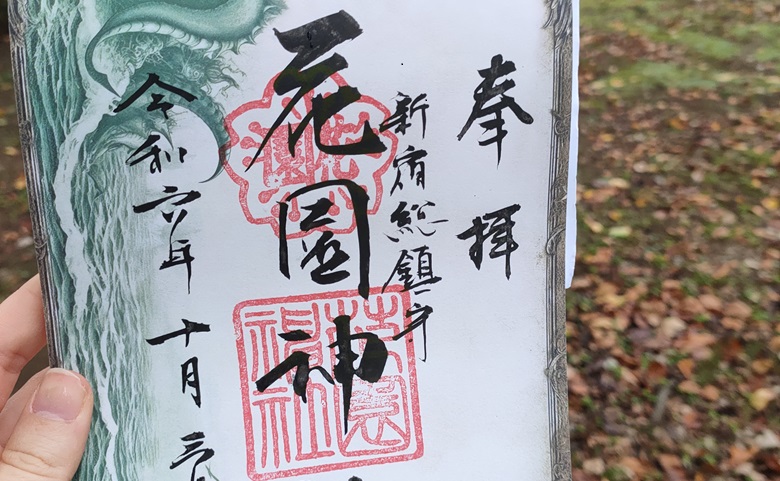
This is one of my favourite Japan tips because it turns an ordinary notebook into a souvenir of the entire trip.
Throughout Japan, you'll come across stamps at railway stations, museums, tourist attractions and other locations. Collecting them as you travel becomes surprisingly addictive.
Temples and shrines also offer goshuin: beautifully handwritten and stamped records of your visit, traditionally collected in a dedicated goshuincho book. These aren't simply tourist stamps, so treat them respectfully and follow the rules at each shrine or temple.
By the end of your trip, you'll have something much more personal than a standard souvenir.
8. Learn a few Japanese words – and download the right apps

You can travel around Japan without speaking Japanese, particularly in major cities. Signs and public transport information are often available in English, and people will usually do their best to help.
Still, learning a handful of Japanese words makes a difference.
Arigatō gozaimasu (thank you), sumimasen (excuse me/sorry) and a few basic greetings will get plenty of use.
For everything else, translation apps are a big help. Google Translate's camera function is particularly useful for menus, signs and instructions.
Google Maps is another essential. In cities, it doesn't just show you which train to take but often provides details such as platforms, exits and transfers.
That's especially handy in stations where finding the right exit can feel like an adventure in itself.
9. Book popular attractions before you travel
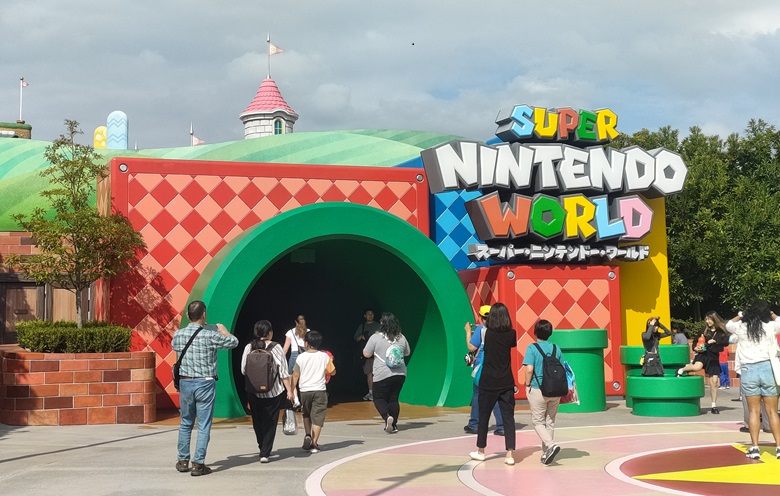
Spontaneity is great, but Japan has a few places where it pays to plan ahead.
Some of the country's most popular attractions use timed-entry tickets or sell out well in advance. If there's something you absolutely don't want to miss, check the official booking website before your trip.
This is especially important during busy travel periods and for attractions with limited daily capacity.
At the same time, don't schedule every hour of your holiday. Leave some gaps in your itinerary for wandering around neighbourhoods, discovering small restaurants and changing your plans when you find somewhere you love.
For me, those unplanned moments were often the best part of Japan.
10. The best time to visit Japan? Avoid the busiest holiday periods
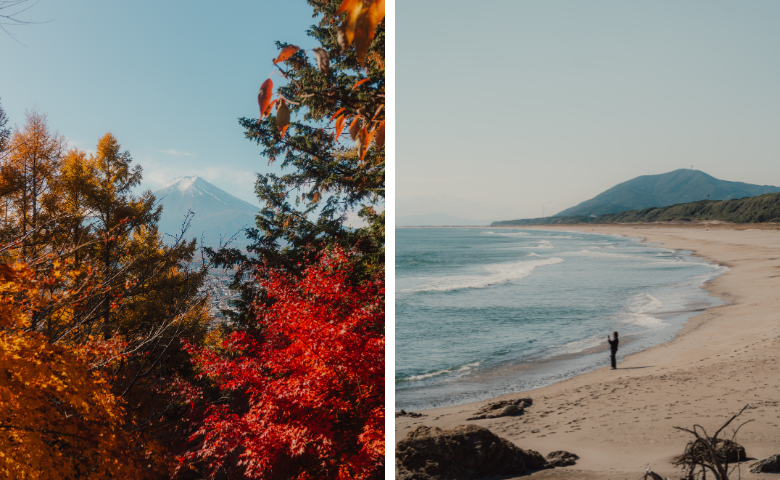
Spring cherry blossom season might be the most famous time to visit Japan, but it's also one of the busiest.
If you have some flexibility, consider travelling outside the biggest domestic and international holiday periods. You'll often find fewer crowds and potentially better availability for accommodation and campervan hire.
Be particularly aware of Golden Week, a cluster of Japanese public holidays around the end of April and beginning of May. It's one of the country's busiest domestic travel periods.
Japan's climate also varies enormously from north to south. Hokkaido can still feel wintry while Okinawa is already warm, so there isn't one perfect month for the entire country.
Think about what you actually want to do – city sightseeing, hiking, beaches, autumn colours or cherry blossoms – and choose your travel dates accordingly.
11. Most importantly: give yourself enough time
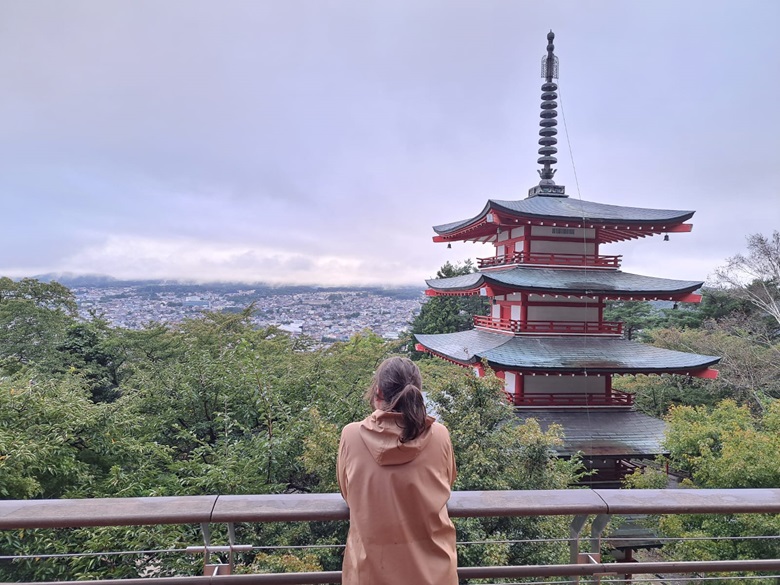
My final tip for anyone planning a trip to Japan is probably the simplest: don't rush it.
You could spend two weeks travelling between Tokyo, Kyoto and Osaka and have a great holiday. But with three weeks, you have enough time to slow things down, add a national park, visit quieter places or even fly to one of Japan's islands.
Our three-week itinerary eventually looked like this:
| Stop | Nights |
| Tokyo, including a day trip to Kamakura | 7 |
| Fuji-Hakone-Izu National Park | 2 |
| Kyoto, including a day trip to Nara | 3 |
| Osaka, including day trips to Himeji and Hiroshima | 5 |
| Okinawa | 4 |
Looking back, I'd happily spend even longer at some stops.
Because once you've ticked off the famous temples, neon-lit streets and major sights, Japan becomes even more interesting. Give yourself time to find the tiny sushi restaurant down a side street, take an unexpected detour or wake up at a campsite with Mount Fuji in the distance.
When you're planning a trip to Japan, it's tempting to fit as much as possible into every day. But sometimes the best thing you can put in your itinerary is simply a little more time.

Do you have any feedback on the article, questions about booking a motorhome, or are you looking for tips? Then feel free to write to us here. We will get back to you as soon as possible.