Japan by campervan: why it's the best way to see the country
 Julia
JuliaUpdated at: 09/02/2026
Reading time: 8 minutes
A campervan is not the first thing most people picture for a trip to Japan. Trains are fast, stations are everywhere, and the rail network can get you almost anywhere. But it also means seeing the country through a train window, and stopping wherever everyone else stops. Travel by campervan and that changes. You can camp beside a volcanic lake, drive a quiet coastal road nobody mentions in the guidebooks, or stay an extra night in a mountain village because you liked it there. This two-to-three-week Japan road trip itinerary takes you from Tokyo to Mount Fuji, the Atsumi Peninsula, Nara, Kyoto, the Japanese Alps and Nikko, mixing well-known sights with some proper hidden gems in Japan along the way.
1. First things first: finding your campervan in Japan
The easiest way to sort Japan campervan hire is through a comparison site. It lets you weigh up different vehicles, depots and rental terms side by side, so you know what you're getting before you book.
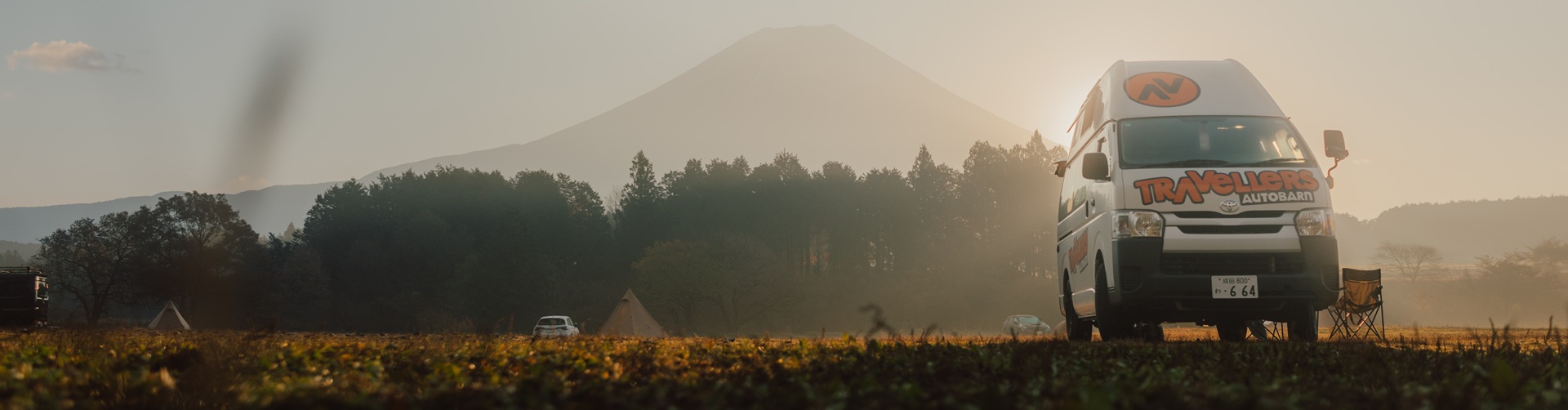
Motorhome hire in Japan works a little differently to Europe, though. Most operators rent out compact campervans rather than the larger motorhomes you might be used to. Travellers Autobarn is a popular choice, and its vehicles typically come with a small kitchen and a bed that folds out from the seating, which suits two people well. What you won't get is a shower or toilet on board – but as you'll see below, campsites across Japan more than make up for that.
2. The best Japan road trip itinerary for two to three weeks
Route at a glance

Route: Tokyo → Fuji-Hakone-Izu National Park → Atsumi Peninsula → Nara → Kyoto and Lake Biwa → Japanese Alps → Nikko National Park → Tokyo
Distance: Around 1,400 kilometres, depending on detours
Driving Time: At least 20 hours, excluding traffic and stops
Recommended duration: Recommended duration
Tokyo: start your Japan trip in the capital
Tokyo is best explored on foot and by train, so give it two or three nights before you collect your campervan. Asakusa is a good base for a first stay: you're close to Sensō-ji and its shopping streets, with easy transport links out to Ueno, Shibuya and Shinjuku.
If you'd rather head straight into nature, you can also collect your campervan shortly after arriving. Once the handover is done, leave the city behind and set off towards Mount Fuji.
Fuji-Hakone-Izu National Park: volcanoes and crater lakes
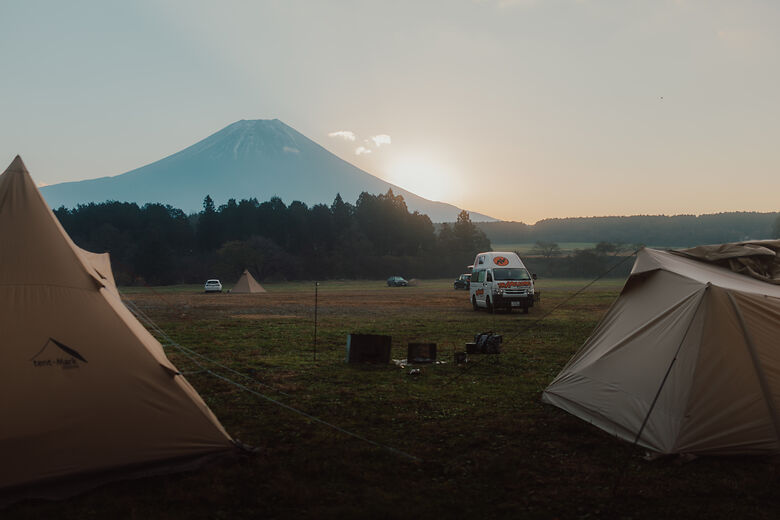
Mount Fuji has been part of a UNESCO World Heritage cultural site since 2013, though cloud often hides the summit, even on an otherwise clear day. Stay a few nights around the Fuji Five Lakes or Hakone to improve your odds of seeing it.
There's plenty to fill your time here:
Mount Fuji: the official climbing season usually runs from early July to early September. Reaching the summit is strenuous and needs proper preparation, and routes and fees can change, so check the official Mount Fuji website before you set out.
Lake Ashi: on a clear day, Mount Fuji rises beyond the water. Explore by boat, ropeway or on foot, and look out for the lakeside torii gate at Hakone Shrine, one of the area's best-known views.
Ōwakudani: steam and sulphurous gas rise from this volcanic valley near Hakone. Try one of the black eggs cooked in the hot-spring water – local tradition says eating one adds seven years to your life.
Atsumi Peninsula: time for the coast
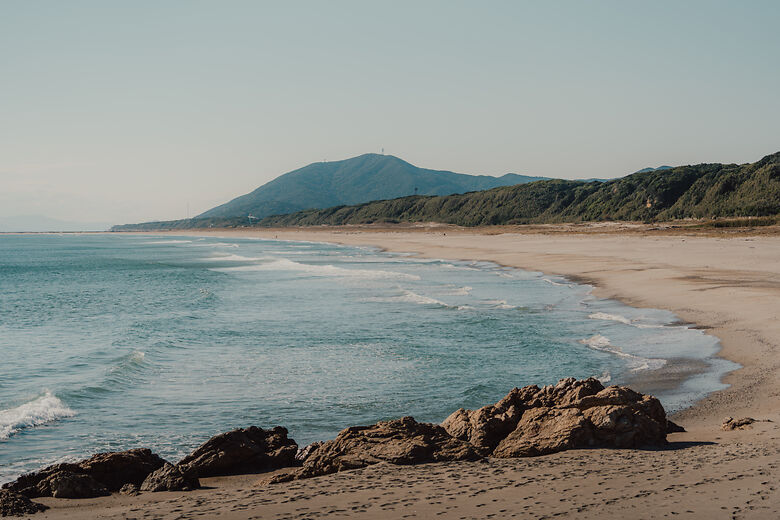
From Fujikawaguchiko, it's around a three-hour drive south to the Atsumi Peninsula, where sandy beaches and coastal roads feel closer to southern Europe than central Japan. Surfers head for Akabane Long Beach, which has decent conditions year-round.
Our favourite spot is Cape Irago, right at the tip of the peninsula. The white lighthouse, open sea and passing ships make it one of those hidden gems in Japan that a phone camera never quite does justice to.

A must-try: Atsumi is known for its honeydew melons. Look out for stalls selling them fresh in summer – the perfect snack for the road.
Nara: temples and free-roaming deer
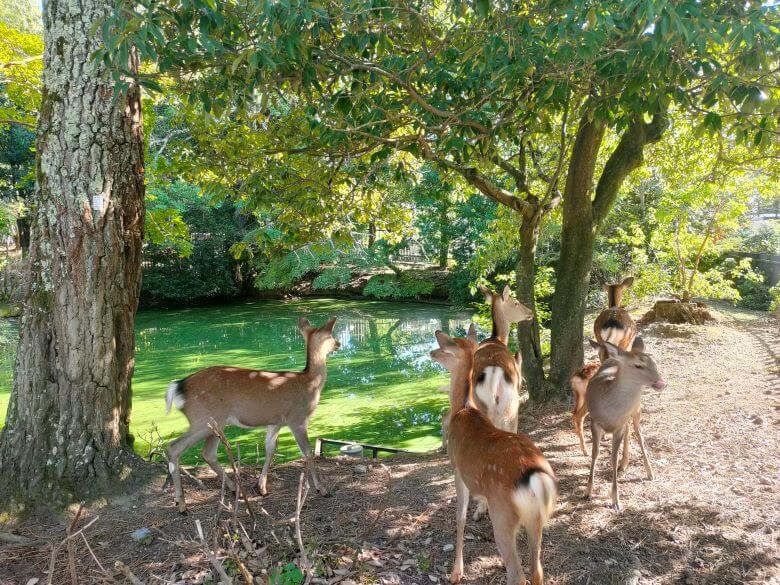
Head west to Nara, one of Japan's former capitals, where temples, gardens and a busy park make a good change of pace after several days in nature. Around 1,000 deer roam freely in and around Nara Park. They're used to visitors but are still wild animals, so stick to the deer crackers sold locally and keep other food packed away.
Don't miss Tōdai-ji, whose Great Buddha Hall holds an enormous bronze statue of the Buddha Vairocana. Parking in central Nara gets busy, so leave your campervan at a car park outside the main streets and explore on foot.
Kyoto and Lake Biwa: temples, shrines and a lakeside stop
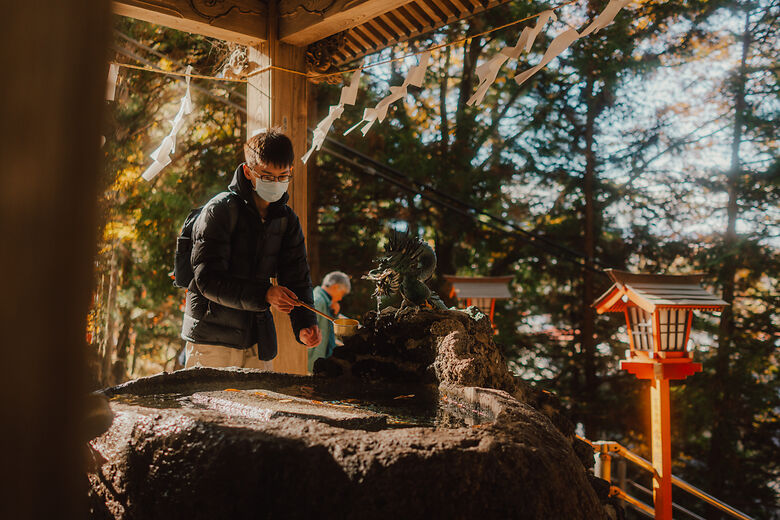
From Nara, it's a short drive to Kyoto, where the golden Kinkaku-ji temple and the thousands of red torii gates at Fushimi Inari Taisha are worth the crowds. Kyoto's streets are narrow and its car parks limited, so this is another city best left on foot: park up and take local transport in, rather than driving through the centre yourself.
Lake Biwa, just north-east of the city, makes a more relaxed base for the night. It's Japan's largest lake, with a cycle path running most of the way round it, and a quieter shoreline than anything you'll find in central Kyoto.
Exploring the Japanese Alps by campervan
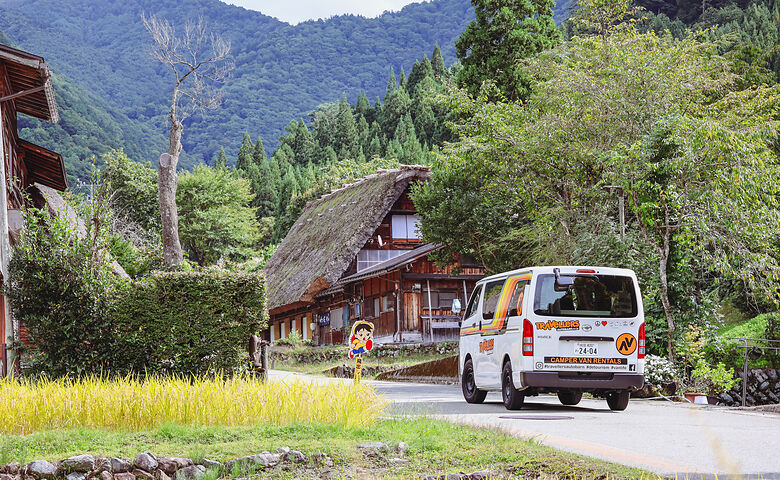
After Kyoto, head north-east towards the Japanese Alps. This is where travelling by campervan becomes particularly rewarding, through forested valleys, traditional towns and some of the best Japan nature attractions on the whole route.
Allow several days for these stops:
Takayama: the old town is lined with well-preserved wooden merchant houses from the Edo period. Visit the morning markets before wandering the quieter streets around Sanmachi Suji.
Shirakawa-go: this UNESCO-listed village is known for its steeply thatched gasshō-zukuri farmhouses. Use the official visitor car park and avoid driving through the residential streets.
Tateyama Kurobe Alpine Route: this mountain route crosses the Northern Alps by bus, cable car and ropeway – private vehicles can't travel the whole way. The famous snow walls are most impressive in spring, while summer and autumn suit hiking better.

Campsites in the Japanese Alps are often surrounded by mountains, making them ideal bases for walking. However, opening dates and road conditions vary with altitude.

Best time to visit: Late spring to autumn is generally the easiest time for a campervan trip through the Japanese Alps. Snow can close mountain roads and campsites, so check local conditions before you travel.
Nikko National Park: lakes, waterfalls and hot springs
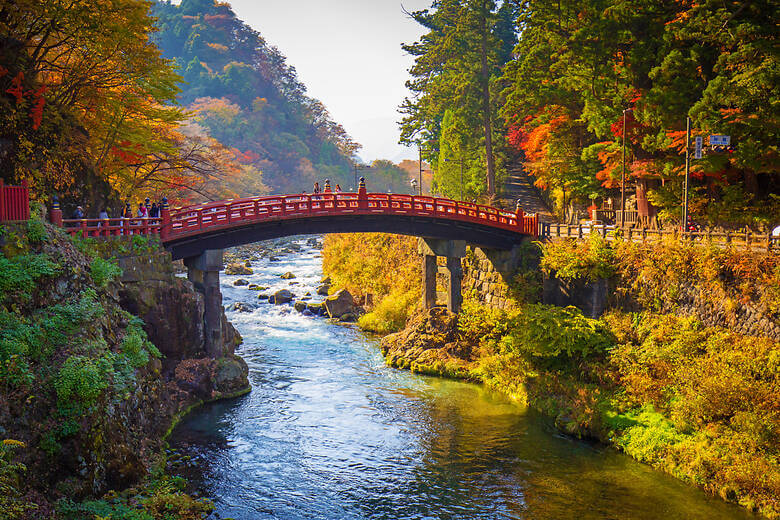
Nikko is the last major stop before you loop back to Tokyo, giving you access to both the UNESCO-listed shrines of Nikko itself and the lakes, waterfalls and hot springs of Oku-Nikko.
Start at Tōshō-gū, the richly decorated shrine dedicated to Tokugawa Ieyasu, home to the famous carving of the three wise monkeys, and the neighbouring Rinnō-ji temple complex. Shinkyō Bridge, at the entrance to the sacred area, is another well-known sight worth a stop.
Higher up, Lake Chūzenji sits surrounded by forest and walking trails, with Kegon Falls dropping almost 100 metres nearby – especially good when the leaves turn in autumn. After a day of walking, unwind at one of the hot-spring areas around Yumoto Onsen or Oku-Nikko.
Return to Tokyo
The drive from Nikko back to the Tokyo area takes a few hours, though traffic can add a fair bit onto that. Stay close to the rental depot on your last night, so you have time to refuel, clean the vehicle and return it on schedule. If you skipped Tokyo at the start of your trip, this is the moment to add a few nights in the capital instead.
Have more time? Extend your road trip towards Osaka and Hiroshima, explore the Kii Peninsula, or take the ferry to Shikoku. There's plenty more to discover if you want to plan a longer trip to Japan – or a good reason to come back for another one.
3. Conclusion: is a campervan road trip through Japan worth it?
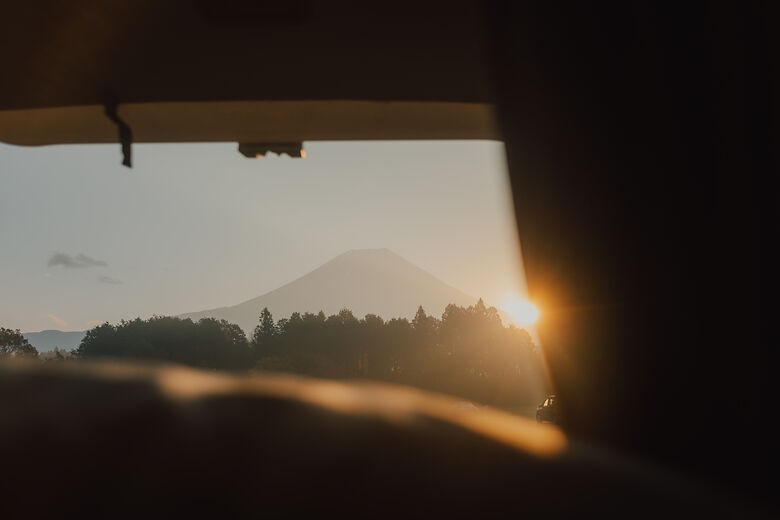
A campervan is an excellent way to explore Japan's national parks, coastlines and mountain regions. It lets you change plan when the weather turns, and reach rural places without hauling luggage between trains and hotels.
It's less convenient in the big cities, though. In Tokyo, Kyoto and Nara, trains and walking usually beat driving. The ideal trip combines both: public transport in the cities, campervan for the countryside in between.
Japan also has a large network of roadside stations called michi-no-eki, with parking, toilets and often a shop, restaurant or hot-spring bath attached. They're rest facilities rather than campsites, though – at some, drivers can stop for a short overnight rest, but setting out chairs, cooking outside or otherwise treating the car park like a campsite isn't appropriate. Follow the local signage, and use an official campsite or motorhome park whenever you can.
Travelling by campervan lets you see more of the country at your own pace. For a road trip through Japan's quieter regions, that flexibility is hard to beat.
Ready to plan your own Japan road trip?
Find your camper with CamperDays and start building your route.
Japan by campervan: frequently asked questionsAre there proper campsites in Japan?
Does Japan drive on the left or the right?
Do UK drivers need an international driving permit in Japan?
Do you have any feedback on the article, questions about booking a motorhome, or are you looking for tips? Then feel free to write to us here. We will get back to you as soon as possible.