A Beginner’s Guide to Camper Van Electricity
 Julia
JuliaUpdated at: 09/02/2026
Reading time: 6 minutes
That first morning in a camper always stays with you. You’ve found the perfect place to spend the night after far too much scrolling, and the view makes it worth it. Then the lights blink out. The TV goes dead. You stare at the panel for a while and hope it sorts itself out. Then the lights start blinking, as if the van’s trying to talk back. Turns out the battery’s flat. The good news is, this happens to most campervan owners at some point. It’s a story we here all the time at CamperDays. Campervan electricity sounds complicated but it’s simple once you see how it works. This guide shows how your motorhome gets power, how to connect safely and how to make it last. Once you learn the basics the only thing that runs out will be the milk.
How Does a Camper Get Electricity?
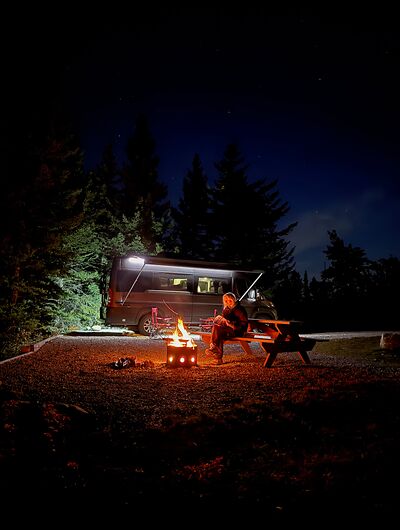
Think of your van’s power like a cycle. It goes in, sits in the battery, and comes back out as light, heat, or a morning brew.
Leisure battery
The leisure battery is the main power source in most vans. It provides 12V energy for built-in lights, the water pump and USB sockets. It keeps things running when you’re parked away from a campsite. Essentially, it's a massive power bank for your campervan electricity that powers everything.
Alternator
The alternator charges the leisure battery while you drive. A few hours on the road can replace most of the camper electricity you used overnight. If you travel daily, your van stays charged without much effort.
Electric hook-up
Bigger campsites will have 230V hook-ups for you to plug into. This means you can use camper electricity as if you were in your own home without worrying about anything turning off. They will usually charge you a daily rate for it, but it's worth it. The bonus is that it will also top up your leisure battery.
Solar panels or generators
If you plan to do off-grid motorhome travel, then you will need solar panels or generators (there are handy filters on our website so you can choose these. Solar panels will collect energy from the sun, which slowly charges the battery. If the weather isn’t great, then a small generator is another good option.
All these motorhome electricity power sources work together to keep your camper running. You can charge while driving, plug in at a site or rely on solar when camping in remote places. The flow is simple: power goes in, it’s stored in the battery, and then used by your lights and gadgets. You don’t need to study every wire or fuse to enjoy the trip. Learn the basics, and you’ll stay powered wherever you park.
Which Power Connection Does a Motorhome Have? (12V / 230V)
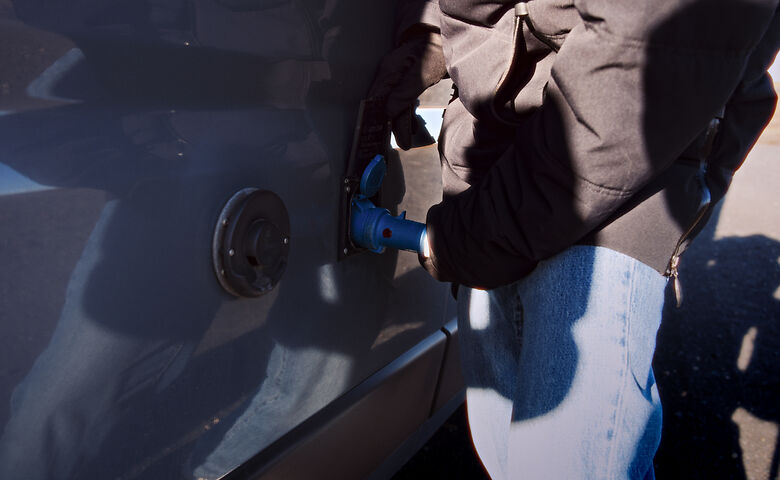
Once the power is stored, your camper divides it into two systems. Each one handles different jobs, and knowing the difference helps you avoid surprises on the road.
12V system
These parts use very little power and still run when you’re parked up somewhere quiet. The battery tops up as you drive or when you plug in at a site, and solar panels can help too. It’s a simple setup that makes the 12V system great for wild camping or a quick overnight stop.
The 12V system runs on the leisure battery. It powers built-in essentials such as:
LED lights
The water pump
The fridge
USB sockets
230V system
The 230V system works only when your motorhome connects to a camper electrical hook up. It powers the same appliances you’d use at home.
Kettle
Hairdryer
Laptop charger
This current flows through separate sockets designed for mains power. If you plug something in while disconnected, nothing happens because the socket only activates with hook-up power.
Both systems have clear roles. The 12V keeps you powered anywhere. The 230V adds comfort when you stay at a campsite. When you know which system you’re using, you can plan what to run and when to charge. This simple habit prevents flat batteries,
How to Hook Up a Camper
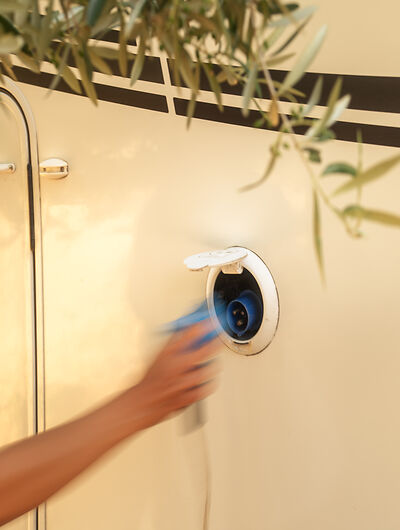
Hooking up your camper to mains power is easy once you’ve done it a few times. People love to make it sound like a big job. It’s not. Take it slow, plug one thing in at a time, and look confident while you do it.
Circuit breakers protect your van from overloads, so nothing dramatic happens if you push your luck. After a few trips, this whole routine takes less than a minute and makes you look like a pro camper.
Step 1 - Park smart
Park close to the camper electrical hook up so the cable reaches without a stretch. You don’t need to park with military precision. If it connects, you’ve nailed it.
Step 2 - Check the cable
Look for cracks or kinks before you plug in. A frayed lead can turn your evening cuppa into an unexpected light show.
Step 3 - Power off
Turn off your van’s power and the post before you connect. It stops fuses tripping and saves you from the walk of shame to reception.
Step 4 - Plug in
Connect the cable to your van first, then the post. Once both ends click in, turn the power back on
Step 5 - Test it
Check your control panel or try a socket. If nothing works, it’s usually a loose plug, not the end of civilisation.
Common mistakes to avoid:
Don’t use indoor extension cords.
Keep the cable off wet ground.
Don’t trap the cable in a door.
How to Save Electricity During Camping
Ask around any campsite and you’ll hear the same advice about power. Someone always knows a friend who drained their battery on night one because they left the heater running or forgot to switch off the inverter. It’s easy to do, especially when you’re new to camper life.
Most motorhomes have a control panel that shows battery levels. A quick check each day helps you plan your usage.
A few habits make all the difference:
Stick to LED lights. They last for ages and barely touch the battery.
Charge phones and gadgets while driving. The alternator will top things up.
Turn off the inverter when it’s not needed. It keeps pulling power in the background.
Cook and heat water with gas instead of electricity.
Unplug things when you’re done with them. Leaving stuff on standby still uses power, even if it looks off.
It’s Easier Than You Think
Learning how motorhome electricity works gives you freedom on the road. You don’t have to be an expert to get the hang of it. Once you understand how the power runs through your van and what to plug in where, the whole setup starts to make sense.
Once you can light your van, make a brew, and settle in anywhere, you’ll see why so many people fall in love with motorhome travel.